 wunder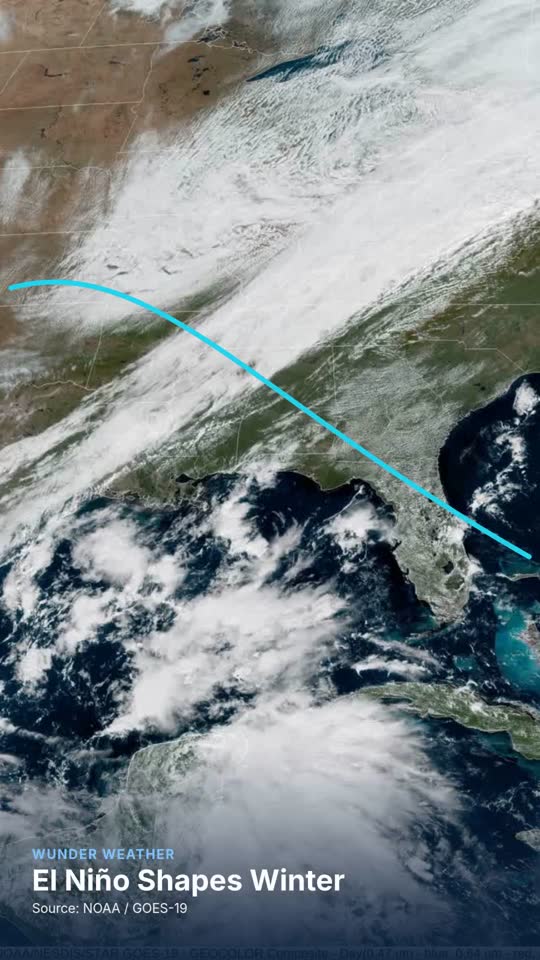
Weather
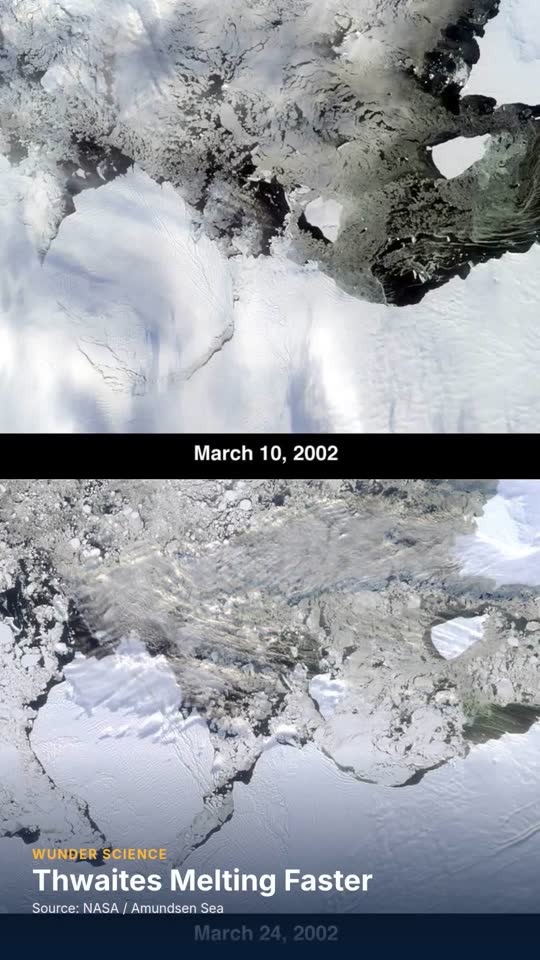
Antarctica's Thwaites Glacier may be losing ice faster than scientists thought. A new study in the journal Nature Communications, from glaciologists at UC Irvine and NASA's Jet Propulsion Laboratory, rebuilt the glacier in a computer model. The key change: instead of a thin line where ice lifts off the seafloor, the model includes a grounding zone, two to five kilometers wide, where warm ocean water seeps underneath and melts the ice from below. With that added, the model finally matched about three decades of real retreat. Run forward, it projects Thwaites could add up to 30 millimeters, about 1.2 inches, to global sea level by 2100. That's roughly double earlier projections, even without more warming. The glacier could come loose from a seafloor ridge that holds it in place as early as 2038. Wunder Science.
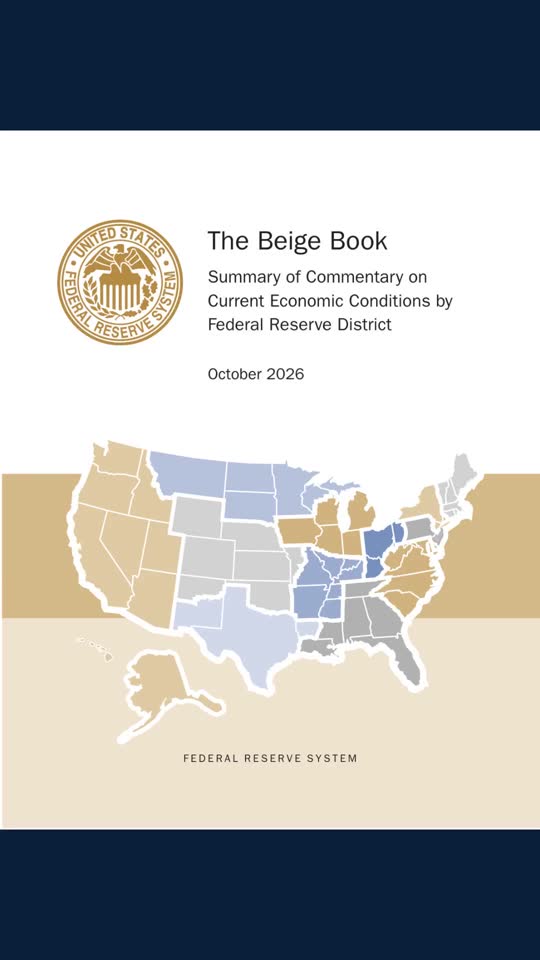
Eight times a year, the Federal Reserve takes the temperature of the economy by asking businesses across the country how things are going. It's called the Beige Book, and the October edition came out this week. The picture: slow growth. Of the Fed's twelve districts, two reported moderate growth, three modest growth, four slight growth, and three saw no real change. Factories were the bright spot, with especially strong manufacturing growth in the Dallas district. Shoppers were mostly holding steady, and more than half of the districts said high-income households were doing most of the spending. Hiring was little changed. Prices kept climbing, which businesses tied to energy, diesel, tariffs and insurance costs. Most firms still expect the economy to grow over the next few months, but only slightly, with a lot of uncertainty. Wunder Money.
Should your doctor prescribe exercise like a medicine? The American College of Cardiology says yes. In a new scientific statement published in its journal JACC, the group says exercise should be a core part of preventing and treating heart disease. The biggest drop in risk happens when people who barely move start moving a little. Low fitness predicts future heart disease about as well as smoking, high blood pressure, high cholesterol or diabetes. And you may not need ten thousand steps. The statement points to evidence that about five to seven thousand steps a day are linked to big reductions in deaths from heart disease and from all causes. It also recommends strength training alongside cardio for most adults. The committee chair, Dr. Jonathan Myers, puts it simply: some activity is better than none. Talk with your doctor before starting something new. Wunder Health.
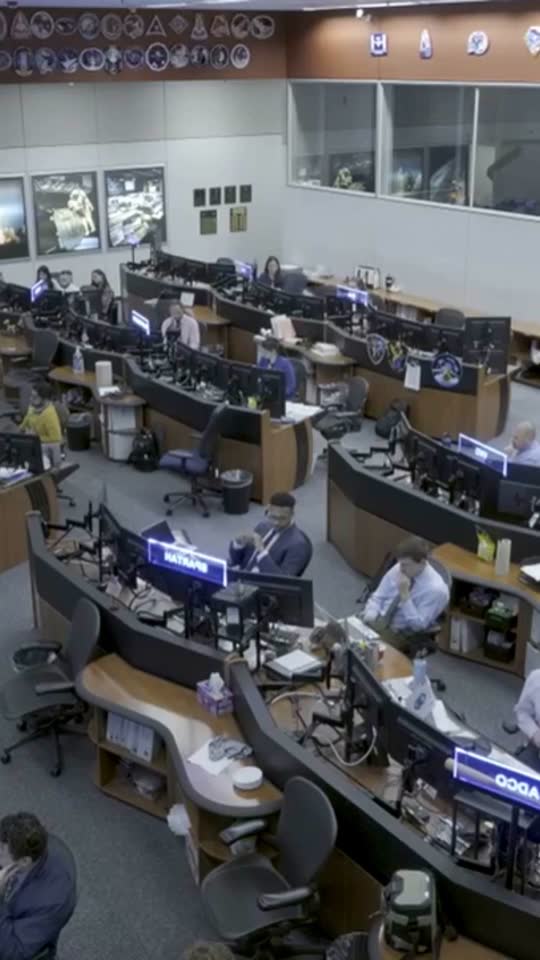
A SpaceX Dragon cargo ship has arrived at the International Space Station. It launched from Cape Canaveral on Tuesday, October 13th, and docked on its own Thursday morning at 10:27 Eastern, on the space-facing port of the Harmony module. This is SpaceX's 35th resupply mission for NASA. It is carrying more than 6,300 pounds of food, supplies and equipment for the crew. The headline cargo is the last set of roll-out solar arrays, new power wings that will be installed later this fall. There's science too: hardware to make artificial retinas in microgravity, 3D heart tissue models for drug testing, brain organoids that could reveal targets for diseases like Alzheimer's and Parkinson's, and a study of how a new kind of glass forms in space. Dragon stays until mid-November, then splashes down off California with research for scientists on Earth. Wunder Space.
NOAA just released its winter outlook, and one word dominates it: El Niño. NOAA's Climate Prediction Center says a strong-to-very-strong El Niño is likely to last through March, with better than an 83 percent chance. Ocean temperatures in parts of the eastern Pacific are running more than four degrees Celsius above normal. That warm water nudges the jet stream south and east. For December through February, that tilts the odds toward a warmer winter across the northern U.S., from the Pacific Northwest through the Midwest and much of the East. The southern tier, from California to Florida, and the East Coast lean wetter. Drought should ease across the Southwest, the Southern Plains and the Southeast, but it could worsen in the northern Rockies. NOAA's weather service warns that heavy rain on dry ground can trigger flash floods and mudslides. These are odds, not promises. Wunder Weather.
Five things to know. A world to understand.